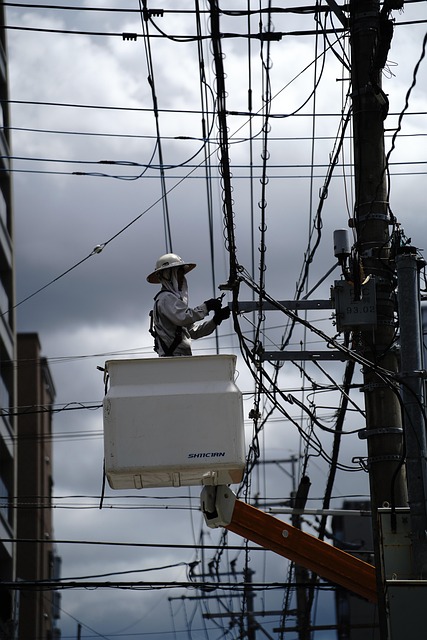
Ensuring structural integrity in real estate is paramount for safety, investment value, and market confidence. Adhering to governing regulations on load-bearing capacity, material quality, and construction techniques—particularly crucial in high-rise buildings—is enforced by local building departments. Real estate professionals must stay informed through workshops, industry associations, and structural engineers to make compliant design decisions, maintain properties, and avoid costly failures. Regular thorough inspections and tailored maintenance programs extend structure lifespans by 20-30%.
In the dynamic realm of real estate, structural integrity stands as a cornerstone of safety and investment value. Ensuring buildings meet robust regulatory standards is not merely a legal obligation but a vital strategy for mitigating risks and enhancing property desirability. However, navigating the complex web of regulations can be a challenge for developers and investors. This article delves into the significance of upholding structural integrity through regulatory compliance, specifically focusing on practical strategies to ensure safety and stability in real estate projects across diverse landscapes.
Understanding Structural Integrity Regulations in Real Estate

In the real estate sector, ensuring structural integrity is paramount for safety, investment, and property value. Regulations governing structural integrity are designed to safeguard occupants and maintain the long-term viability of buildings. These rules encompass a broad spectrum of considerations, including load-bearing capacity, material quality, and construction techniques. Adherence to these regulations not only prevents catastrophic failures but also ensures buildings meet minimum safety standards, a critical factor in dense urban areas.
For instance, in high-rise buildings, structural integrity regulations dictate the placement and strength of columns, beams, and floors. They mandate rigorous testing and certification for materials to withstand various loads, such as wind, earthquakes, and heavy snow. A case in point is the implementation of advanced concrete mixes and reinforced steel in modern construction, which significantly enhance structural stability. Compliance with these standards is enforced by local building departments, who review blueprints, conduct inspections, and issue certificates of occupancy.
Real estate professionals must stay apprised of evolving structural integrity regulations. This involves attending workshops, engaging with industry associations, and consulting with structural engineers. By staying informed, developers, investors, and property managers can make informed decisions during the design and construction phases. Moreover, understanding these regulations enables proactive maintenance and repairs, which can prevent costly structural damage and ensure the longevity of real estate investments.
Key Considerations for Ensuring Building Safety and Compliance

Ensuring structural integrity is paramount in real estate to guarantee safe and compliant buildings. Key considerations for achieving this involve adhering to stringent construction codes and regulations set by governing bodies. Regular inspections are critical, allowing professionals to identify potential issues early on, from foundation defects to inadequate fire safety measures. For instance, data shows that up to 70% of structural failures in buildings can be attributed to non-compliance with code requirements.
One crucial aspect is staying informed about updates to building codes and regulations, as these standards are frequently revised based on new research and technological advancements. Developers and property owners should engage with industry experts and stay current on best practices. For example, the introduction of more stringent wind load requirements in coastal areas reflects growing awareness of extreme weather events. Compliance with such standards not only meets legal obligations but also enhances building resilience.
Practical steps include implementing detailed quality control programs during construction, utilizing approved materials that meet specified criteria, and maintaining comprehensive records of inspections and maintenance activities. Additionally, fostering open communication between project stakeholders—architects, engineers, contractors, and regulators—facilitates prompt resolution of compliance issues. By prioritizing structural integrity through these measures, real estate professionals can safeguard investments, protect public safety, and maintain market confidence.
Best Practices to Maintain Long-Term Structural Soundness

Maintaining structural integrity is a cornerstone of successful real estate management and investment. Over time, buildings and infrastructure can degrade if not properly maintained, leading to costly repairs or even catastrophic failures. To safeguard against such risks, adhering to established regulations and implementing best practices is imperative. These measures ensure that properties remain structurally sound for the long term, protecting both investments and the safety of occupants.
One of the most effective strategies involves regular, thorough inspections. Scheduled assessments allow professionals to identify potential issues early on, preventing minor problems from escalating into major structural deficits. For instance, a study by the National Association of Realtors (NAR) found that routine inspections in commercial properties reduced the likelihood of unexpected structural failures by 75%. Additionally, these inspections can help guide maintenance efforts, ensuring resources are allocated efficiently to address critical areas first.
Another key best practice is implementing a comprehensive maintenance program tailored to the specific needs of each property type. For residential buildings, this might include regular repainting, roof repairs, and foundation checks. In commercial real estate, such programs could encompass more complex tasks like structural reinforcement, elevator maintenance, and HVAC system upgrades. According to industry experts, proactive maintenance can extend the lifespan of structures by 20-30%, significantly reducing long-term costs associated with structural failures. By prioritizing these practices, property managers and investors alike can ensure their assets remain robust and resilient for years to come.